

Choosing the Right Pond Aeration System: Surface vs. Diffused Air
Pond aeration plays a critical role in maintaining water quality, controlling odors, and supporting biological treatment in wastewater lagoons, industrial ponds, and stormwater basins. When aeration is done correctly, it improves oxygen transfer, promotes beneficial bacteria, and helps prevent issues like sludge buildup and anaerobic conditions.
Two of the most common pond aeration approaches are surface aeration and diffused air aeration. While both add oxygen to the water, they work in very different ways and are suited to different applications. This guide breaks down how each system works, their advantages and limitations, and how to choose the right option for your pond.
In this guide:
WHY POND AERATION MATTERS
IWithout sufficient dissolved oxygen, ponds quickly become anaerobic. That leads to:
- Odor-causing hydrogen sulfide and ammonia
- Reduced biological treatment efficiency
- Sludge accumulation and short-circuiting
- Fish kills and ecosystem imbalance
Proper pond aeration keeps oxygen levels stable throughout the water column, supporting aerobic microbes that break down organic matter efficiently and predictably.
HOW SURFACE AERATION WORKS
Surface aerators sit at or just below the water surface and agitate the top layer of the pond. Oxygen is transferred as water is splashed or churned, allowing air to mix into the upper portion of the pond.
Common types include floating aerators, aspirating aerators, and mechanical mixers with integrated oxygen transfer.
Benefits of surface aeration
- High oxygen transfer at the surface
- Simple installation and accessibility
- Visible mixing makes performance easy to observe
- Effective for shallow ponds and emergency oxygen needs
LIMITATIONS of surface aeration
- Limited oxygen penetration at depth
- Less effective for deep lagoons or stratified ponds
- Higher energy use per pound of oxygen transferred
- Can resuspend solids if improperly sized
Surface aeration is often used where rapid oxygenation is needed or where pond depth is limited.
HOW DIFFUSED AIR AERATION WORKS
Diffused air systems use blowers to push air through submerged diffusers installed near the pond bottom. Fine bubbles rise slowly through the water column, transferring oxygen efficiently while creating vertical mixing.
The result is oxygen distribution throughout the entire pond, not just at the surface.
Benefits of Diffused Air Aeration
- Uniform oxygen distribution from bottom to surface
- Excellent mixing without aggressive turbulence
- High oxygen transfer efficiency
- Supports full biological treatment volume
- Reduces sludge buildup and dead zones
LIMITATIONS of Diffused Air Aeration
- Higher upfront design and installation requirements
- Blowers and air piping require proper sizing
- Diffusers must be selected based on wastewater characteristics
Diffused air pond aeration is often preferred for wastewater treatment lagoons, industrial ponds, and systems focused on long-term process stability.
SURFACE vs DIFFUSED AIR: Key DIFFERENCES
| Factor | Surface Aeration | Diffused Air Aeration |
|---|---|---|
| Oxygen Transfer Zone | Upper water layer | Entire water column |
| Mixing Pattern | Horizontal, surface-focused | Vertical, full-depth |
| Energy Efficiency | Moderate to low | High |
| Sludge Control | Limited | Excellent |
| Best For | Shallow ponds, temporary needs | Deep ponds, treatment lagoons |
HOW TO CHOOSE THE RIGHT POND AERATION SYSTEM
The best pond aeration solution depends on several factors:
- Pond depth and volume
- Organic loading and treatment goals
- Existing sludge accumulation
- Energy efficiency targets
- Long-term operating costs
In many treatment applications, diffused air systems provide better overall performance and lower lifecycle costs. However, surface aeration can be effective for specific use cases or as a supplemental solution.

🫱🏻🫲🏽Partner with ClearBlu Environmental
At ClearBlu Environmental, we combine engineering expertise with a deep understanding of biological and mechanical treatment systems. Our goal is to help facilities meet discharge limits, protect the environment, and recover value from their wastewater.
Custom Pond Aeration Solutions
No two ponds are exactly the same. Proper aeration design should account for hydraulic loading, biological demand, seasonal temperature swings, and future capacity needs. A system that is undersized or improperly selected can create more problems than it solves.
At ClearBlu, pond aeration systems are engineered to match real-world operating conditions, ensuring reliable oxygen transfer, consistent mixing, and long-term performance.
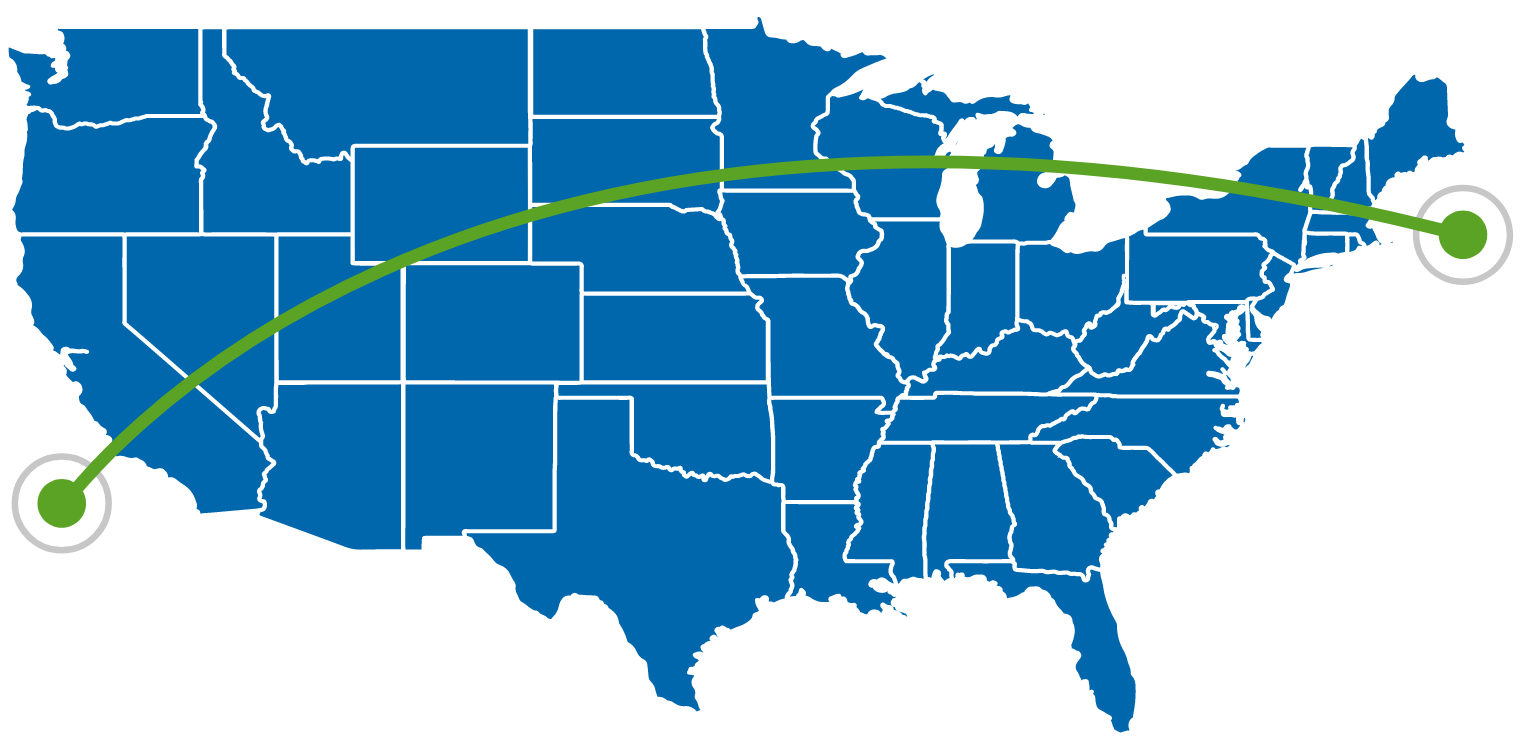
CONVENIENT LOCATIONS
Serving Companies Nationally
With locations in California, Colorado, and Oregon, we are able to provide wastewater treatment solutions across the United States.