
Wastewater Lift Stations Explained: What They are and how they work
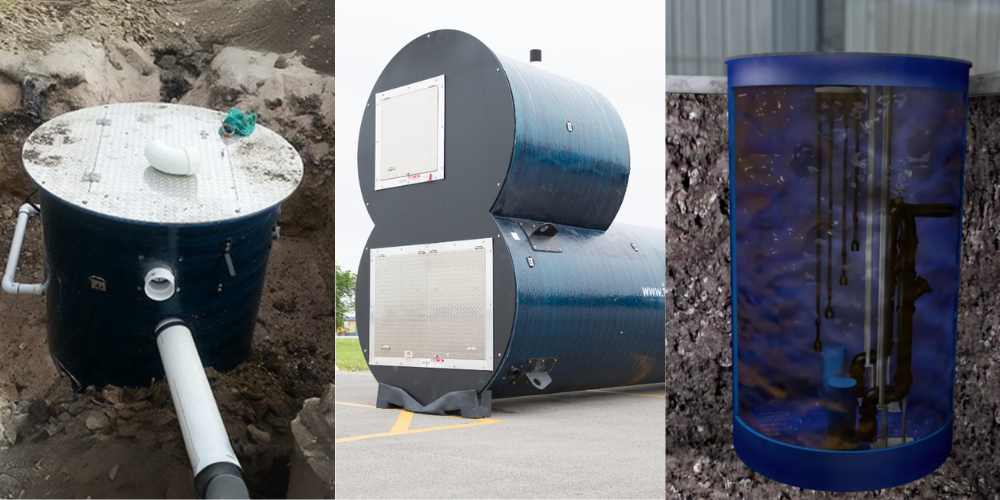
What is a lift station?
Lift stations are used in both municipal and industrial settings to prevent wastewater from backing up and to keep systems flowing efficiently. By using powerful pumps and automated controls, they ensure wastewater is transported safely and reliably—no matter the elevation challenges.
Types of Lift Stations
Lift stations are configured a few different ways depending on the site, the waste stream, and how much redundancy the operation requires.
Wet well lift stations collect wastewater in a basin (the “wet well”) and use float switches or level sensors to activate pumps when the water reaches a set level. The pumps are typically submersible, sitting directly in the wet well. This is the most common configuration today because it’s compact, efficient, and cost-effective.
Dry well lift stations house the pumps and controls in a separate, dry chamber next to the wet well. This makes pumps easier to access for service without entering the wastewater basin, and it’s often used in larger or more complex municipal installations.
Simplex vs. duplex systems refers to the number of pumps. A simplex station uses a single pump — suitable for smaller, intermittent flows. A duplex station uses two pumps that alternate operation, which extends pump life and provides redundancy: if one pump fails or inflow spikes, the second pump takes over or runs in parallel. For industrial facilities where downtime means production stops or compliance risk, duplexing is usually worth it. ClearBlu offers duplexing lift stations with alternating controls, alarm options, and remote monitoring.
Basin material matters too. Traditional concrete basins are prone to corrosion in acidic environments — a real concern for wineries, breweries, and food processors with low-pH waste streams. Fiberglass basins resist corrosion, weigh less, and install faster, which is why ClearBlu builds its lift stations on fiberglass basins from Topp Industries.
Key Components of a Wastewater Lift Station
- Wet Well: The basin where wastewater is collected before being pumped.
- Pumps: Typically submersible, they push wastewater to higher elevations or directly into the main sewer system.
- Float Switches or Level Sensors: Detect the water level in the wet well and trigger the pump.
- Control Panel: The brains of the system, managing when pumps activate and monitoring system health.
- Check Valves & Piping: Direct flow and prevent backflow during operation.
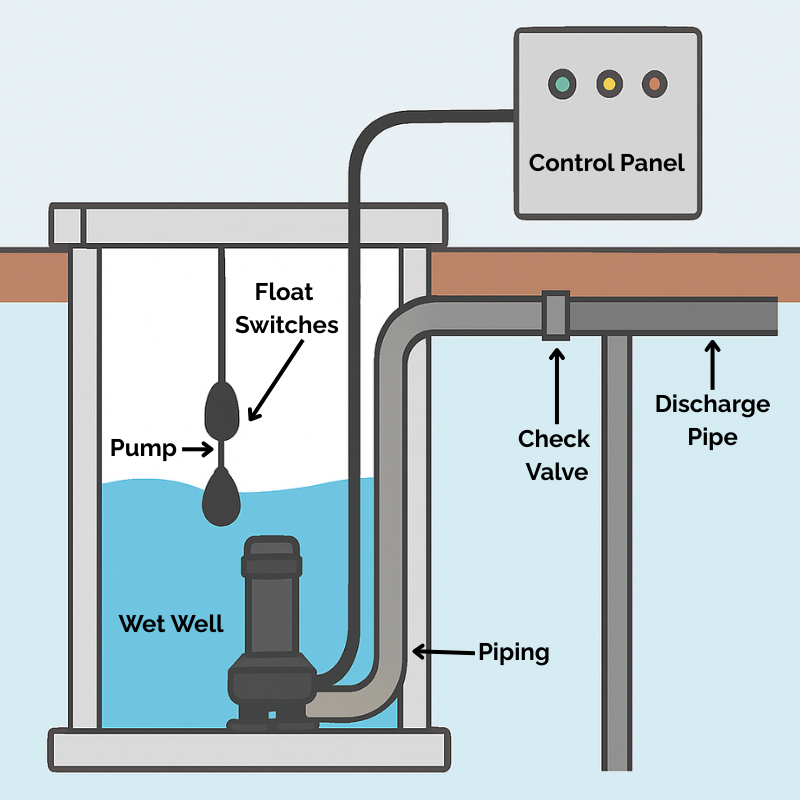
These components work together to ensure continuous and reliable wastewater transport. Whether it’s handling high volumes from a food processing facility or overcoming gravity in a remote commercial development, lift stations are engineered to keep everything flowing.
How Do Lift Stations Work?
The process is automated, efficient, and designed to handle continuous flow.
Here’s how it works:
- Collection – Wastewater flows into a wet well, a holding tank where it’s temporarily stored.
- Level Detection – Float switches or level sensors monitor the water level. When it rises to a set point, they signal the pumps to turn on.
- Pumping – Submersible pumps push the wastewater upward through discharge piping, allowing it to continue toward the main sewer line or treatment facility.
- Flow Control – Check valves prevent backflow, and the system shuts off automatically once levels drop back down.
Lift stations are built to run reliably with minimal manual intervention. For industrial or high-volume applications, ClearBlu can design custom lift station systems to meet demanding performance and maintenance needs.
Lift Station vs. Pump Station
The terms “lift station” and “pump station” are often used interchangeably, and in day-to-day conversation that’s usually fine. But there is a practical distinction.
A lift station is designed specifically to lift raw wastewater or sewage over a short vertical distance — typically from a low-lying collection point up to a nearby gravity sewer main, where gravity takes over again. The goal is elevation, not distance.
A pump station is the broader category. Pump stations move all kinds of water — wastewater, stormwater, even potable water — and are often built to transport it over long distances through pressurized force mains, not just up to the nearest gravity line.
In short: every lift station is a type of pump station, but not every pump station is a lift station. If your facility needs to move wastewater up to a sewer main or into an on-site treatment system, a lift station is almost always the right tool. If you need to push water miles across a site or between facilities, you’re in pump station territory.
Not sure which your site needs? Contact ClearBlu and we’ll evaluate your elevation, flow rate, and discharge point to spec the right system.
Why Lift Stations Matter and Who Needs Them
Lift stations play a critical role in wastewater management. Whether it’s flat terrain, low-lying buildings, or remote locations, these systems ensure wastewater keeps moving—safely, efficiently, and in compliance with regulations.
Why lift stations are necessary
- Overcome Elevation Challenges– When a facility sits below the level of the main sewer or treatment plant, a lift station pumps wastewater up to where it needs to go.
- Avoid Costly Trenching– In long-distance applications, lift stations reduce the need for deep, expensive excavation by allowing for shallower piping routes.
- Prevent Sewage Backup– By maintaining steady flow, lift stations help avoid the serious risks of wastewater backing up into a facility.
- Ensure Regulatory Compliance– Industrial operations often face strict wastewater handling requirements. Lift stations help meet those standards reliably.
Who Uses Lift Stations?
Lift stations are essential for a wide range of industries and businesses:
- Food and Beverage Processing
- Wineries and Breweries
- Commercial Developments
- Industrial Facilities
- Municipal Systems
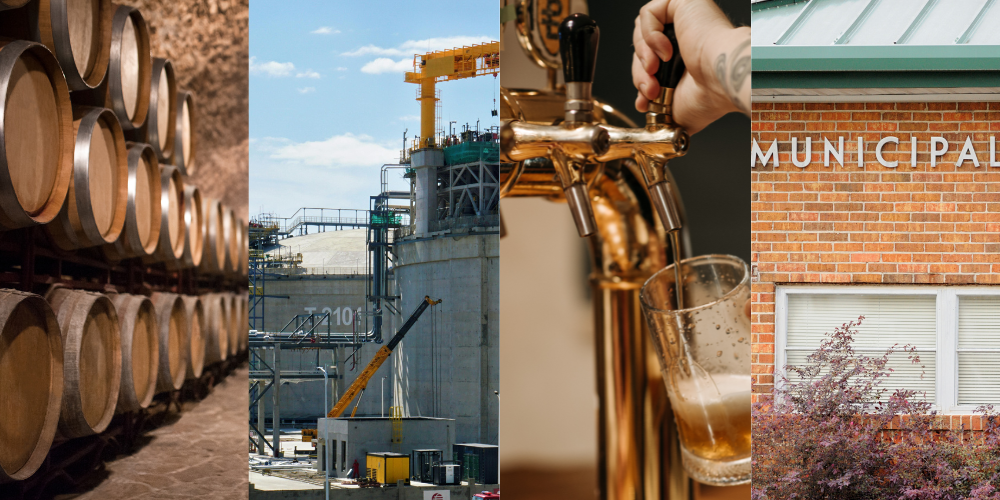
If your operation involves wastewater and faces elevation or distance challenges, a lift station could be the most efficient and cost-effective solution.
The key advantages
A well-designed lift station doesn’t just move wastewater—it helps your entire system run more efficiently, safely, and cost-effectively. Here are some of the main benefits:
- Improved Wastewater Flow
- Low Infrastructure Costs
- Smaller Footprint
- Automation and Reliability
- Regulatory Compliance
Choosing a lift station
Selecting the right lift station starts with understanding your site’s specific needs. One of the most important factors is flow rate—how much wastewater your system needs to handle on a daily basis. This will determine the size of the wet well and the type of pumps required.
Another key consideration is elevation. If your lift station needs to pump wastewater over a significant vertical distance, you’ll need a more powerful pump and a system designed to handle the pressure.
The type of wastewater also matters. Industrial or food processing operations often deal with solids, grease, or high-strength waste, which can affect pump choice and may require solids separation equipment upstream.
Space limitations can also influence the design. Some locations benefit from compact or submersible lift stations that take up minimal room and are easier to maintain.
Finally, consider how much automation and monitoring you need. Many modern systems offer remote monitoring and smart controls, which help catch issues early and reduce downtime.
At ClearBlu, we help clients choose and build lift stations that match their exact site conditions, flow requirements, and long-term goals.
Lift Station Maintenance: What to Expect
A lift station is one of the most reliable components of a wastewater system — but only when it’s maintained. Because everything happens below grade and out of sight, small problems can go unnoticed until they become emergencies.
Routine maintenance typically includes:
- Regular visual inspections – checking pump operation, unusual noise or vibration, and control panel indicators.
- Testing floats, sensors, and alarms – a failed float switch is one of the most common causes of lift station overflows, and it’s also one of the cheapest things to catch early.
- Wet well cleaning – fats, oils, and grease (FOG) and settled solids accumulate over time, especially in food and beverage applications. Periodic pump-outs and washdowns keep pumps from clogging and reduce odor.
- Check valve and piping inspection – verifying valves seat properly and prevent backflow.
- Pump servicing – impeller inspection and clearing debris before wear turns into failure.
How often each task is needed depends on your waste stream. A facility sending high-FOG or high-solids wastewater to its lift station will need wet well cleaning far more often than one handling screened, low-strength flow — one more reason solids separation upstream pays for itself.
Warning signs your lift station needs attention: alarms triggering more frequently, pumps short-cycling (turning on and off rapidly), persistent odors, unusually high energy use, or slow drawdown of the wet well.
Modern controls make all of this easier. ClearBlu lift stations can be configured with audible/visual alarms and dry contacts for remote monitoring over Wi-Fi or cellular, so you know about a problem before it becomes a backup.
ClearBlu Lift Station Solutions
Partnering with Topp Industries, we provide high-quality fiberglass basins that offer several advantages over traditional concrete structures. Fiberglass basins are lightweight, making them easier to install, and their corrosion-resistant properties ensure durability in acidic environments where concrete might deteriorate. Additionally, these basins can be conveniently fitted with high-temperature pumps and pre-plumbed with rail kits for streamlined installation.
In addition to fiberglass basins, ClearBlu offers duplexing lift stations from Topp Industries. These systems incorporate two pumps operating in sequence to ensure redundancy and enhance efficiency. The control systems alternate between the pumps, extending their lifespan, and can activate both pumps simultaneously during high inflow situations. Customization options include visual and audible alarms for failure alerts and dry contacts for remote monitoring via Wi-Fi or cellular connections.
ClearBlu’s lift stations are versatile, capable of handling flows ranging from intermittent small volumes to thousands of gallons per minute. They can be configured with stainless steel rail kits, pumps, and plumbing to withstand harsh conditions, ensuring long-lasting performance.
FAQS
What is a lift station?
A lift station is a pumping system that moves wastewater from a lower elevation to a higher one when gravity flow isn’t possible or practical. Wastewater collects in a wet well until level sensors activate pumps that push it up to a sewer main or treatment system. Lift stations are used in both municipal and industrial settings, especially on flat or low-lying sites.
What does a lift station do?
A lift station keeps wastewater moving when a facility sits below the level of the sewer main or treatment system it discharges to. It collects incoming wastewater, detects when the level rises, and automatically pumps it upward — preventing backups, protecting the facility, and keeping the operation in compliance with discharge requirements.
How does a lift station work?
A lift station works in four automated steps: wastewater flows into a wet well, level sensors or float switches detect when it reaches a set point, submersible pumps push the wastewater up through discharge piping, and check valves prevent it from flowing back. Once the level drops, the pumps shut off automatically until the cycle repeats.
What is the difference between a lift station and a pump station?
A lift station lifts raw wastewater over a short vertical distance to reach a gravity sewer main, while a pump station is a broader term for any system that moves water — including stormwater or drinking water — often over long distances through pressurized force mains. Every lift station is a pump station, but not every pump station is a lift station.
How often does a lift station need maintenance?
Maintenance frequency depends on the waste stream. Stations handling high levels of fats, oils, and grease or heavy solids need more frequent wet well cleaning than those receiving screened, low-strength flow. Most operators pair routine visual inspections and alarm testing with periodic professional service that includes wet well pump-outs and pump inspection. Remote monitoring can flag problems between visits.
national experts
Have more questions, or need to help deciding which equipment is right for you? Our team would love to assist with your project.
Conclusion
Lift stations are essential for reliable, efficient wastewater management—especially when gravity flow isn’t an option. From industrial facilities to food and beverage operations, the right lift station can reduce costs, prevent backups, and keep you in compliance.
At ClearBlu Environmental, we specialize in designing and supporting custom lift station systems built to meet the specific needs of your operation. Whether you’re upgrading an existing system or planning a new installation, our team is here to help.
Explore more wastewater solutions and contact us today to discuss your lift station needs.